
Shelli
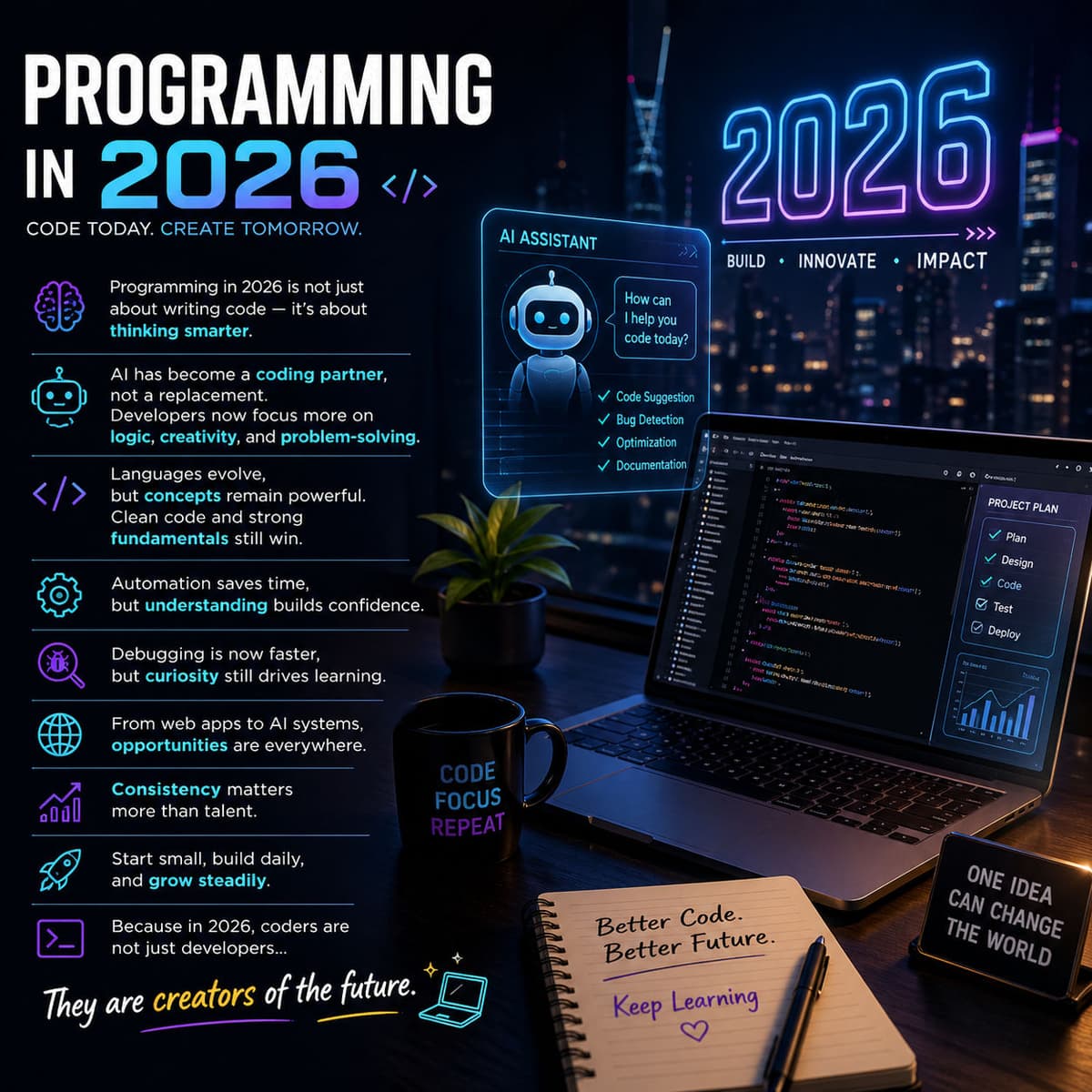
🚀 Programming in 2026 is not just about writing code — it's about thinking smarter.
👩💻AI has become a coding partner, not a replacement.
Developers now focus more on logic, creativity, and problem-solving.
Languages evolve, but concepts remain powerful.
Clean code and strong fundamentals still win.
Automation saves time, but understanding builds confidence.
Debugging is now faster, but curiosity still drives learning.
From web apps to AI systems, opportunities are everywhere.
Consistency matters more than talent.
Start small, build daily, and grow steadily.
Because in 2026, coders are not just developers…
They are creators of the future. 💻✨

ASHISH PAL
The Hidden Skill That Boosts Your Career
Technical skills are important, but communication skills often make the biggest difference in a career.
Being able to explain ideas clearly, ask good questions, and share progress effectively makes you stand out in any team.
If you want to improve communication, practice explaining complex ideas in simple words. Teaching others is one of the best ways to strengthen understanding.
A useful article about communication in tech teams:
https://www.atlassian.com/team-playbook
Clear thinking leads to clear communication.


ASHISH PAL
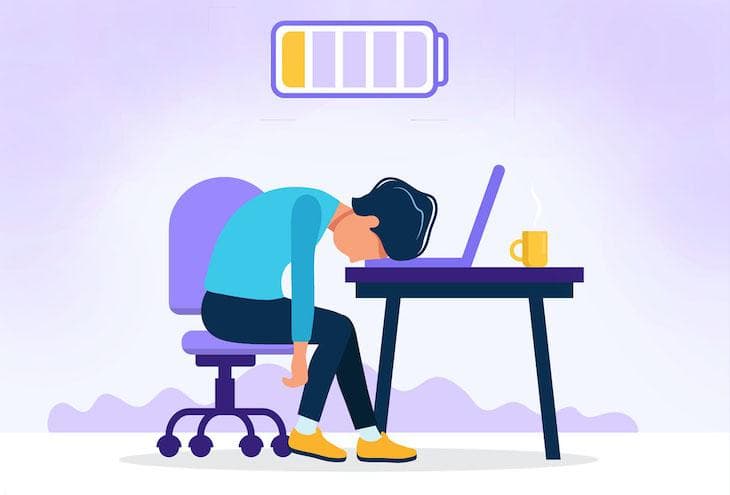
How to Learn Faster Without Burning Out
Many people try to learn too much too quickly. They watch hours of tutorials but retain very little. Learning becomes more effective when you slow down and apply what you study.
A simple method is: learn something small, apply it immediately, and then repeat. This creates stronger memory and deeper understanding.
You can explore better learning techniques here:
https://fs.blog/learning/
Learning is not about speed, it is about consistency.
ASHISH PAL
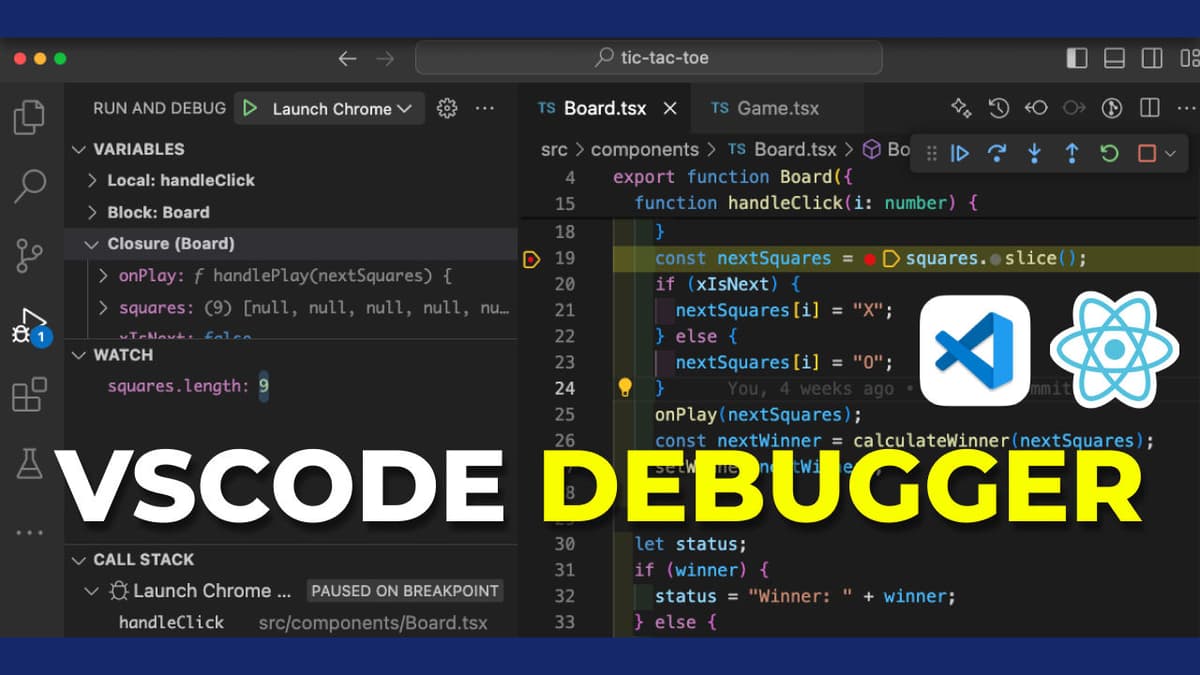
Why Debugging Is a Superpower
Many beginners think great developers write perfect code quickly. In reality, experienced developers spend a lot of time debugging and understanding problems.
Debugging teaches you how systems actually behave instead of how you expect them to behave. Reading error messages carefully, checking logs, and isolating the problem step by step are essential skills.
If you want to improve debugging skills, this guide is useful:
https://stackoverflow.com/help/how-to-debug
The better you get at debugging, the faster you grow as a developer.
ASHISH PAL
Stop Waiting for the Perfect Time
Many people delay starting something because they are waiting for the perfect moment. The truth is that perfect conditions almost never exist. Progress usually begins with imperfect action.
If you want to start learning a skill, building a project, or improving your health, the best time is simply today. Even small steps matter. One page read, one workout, or one hour of focused work is better than doing nothing.
A helpful idea about starting before you feel ready is discussed here:
https://jamesclear.com/motivation
Momentum builds confidence.

ASHISH PAL
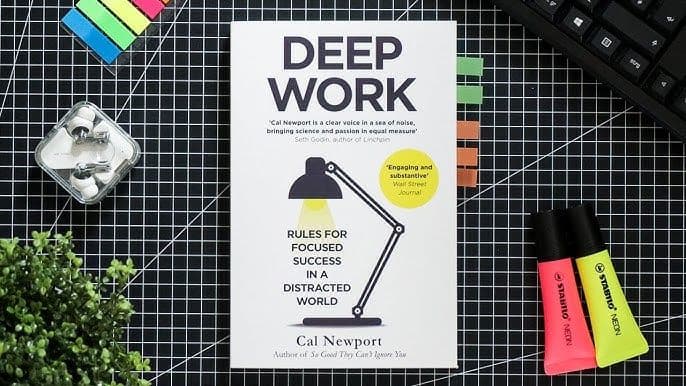
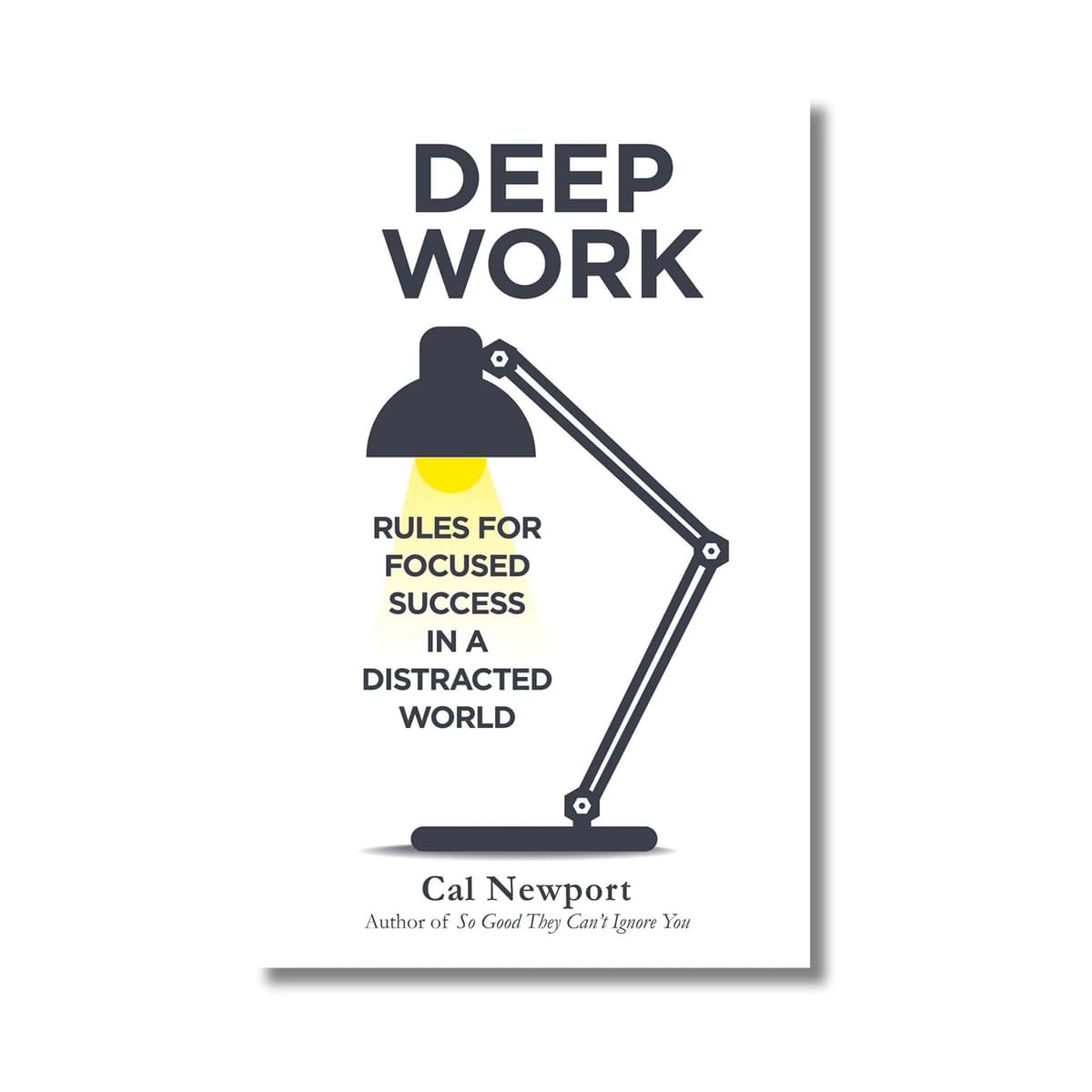
The Deep Work Approach
Most people try to work for many hours but spend most of that time distracted. A better strategy is to focus deeply for short periods.
Try working in focused sessions where you remove all distractions. Turn off notifications, close unnecessary tabs, and give your full attention to one task.
Even two hours of deep work can be more productive than an entire distracted day.
A good explanation of this concept is discussed here:
https://www.calnewport.com/books/deep-work/
The key idea is simple: focus deeply, rest properly, repeat daily.
ASHISH PAL
How Good Engineers Actually Think
Many developers focus on writing more code, but experienced engineers focus on solving problems in the simplest way possible.
Before writing code, they spend time understanding the system, the trade-offs, and the long-term impact of their decisions.
A useful habit is asking better questions:
What problem are we solving?
Is there a simpler solution?
What happens if this scales to 1 million users?
You can explore more engineering ideas here:
https://martinfowler.com
Great engineers optimize for clarity, not complexity.

ASHISH PAL
Why Understanding JavaScript Closures Matters
losures are one of the most powerful concepts in JavaScript. A closure allows a function to remember variables from its outer scope even after the outer function has finished executing.
This is heavily used in modern frameworks like React. Many patterns such as hooks, event listeners, and private state rely on closures.
If closures ever confused you, the MDN documentation explains it very clearly:
https://developer.mozilla.org/en-US/docs/Web/JavaScript/Closures
Once you understand closures deeply, many JavaScript behaviors suddenly make much more sense.

ASHISH PAL
Small Habits That Change Your Life
Most people try to change their lives with big decisions, but real change usually comes from small daily habits. If you improve just a little every day, those improvements compound over time.
Start with something simple like reading 10 pages a day, exercising for 15 minutes, or writing down your thoughts before sleeping. These small habits may seem insignificant at first, but after a few months they build strong discipline.
One idea that explains this well is discussed in Atomic Habits:
https://jamesclear.com/atomic-habits
Consistency beats intensity every time.
Loading...